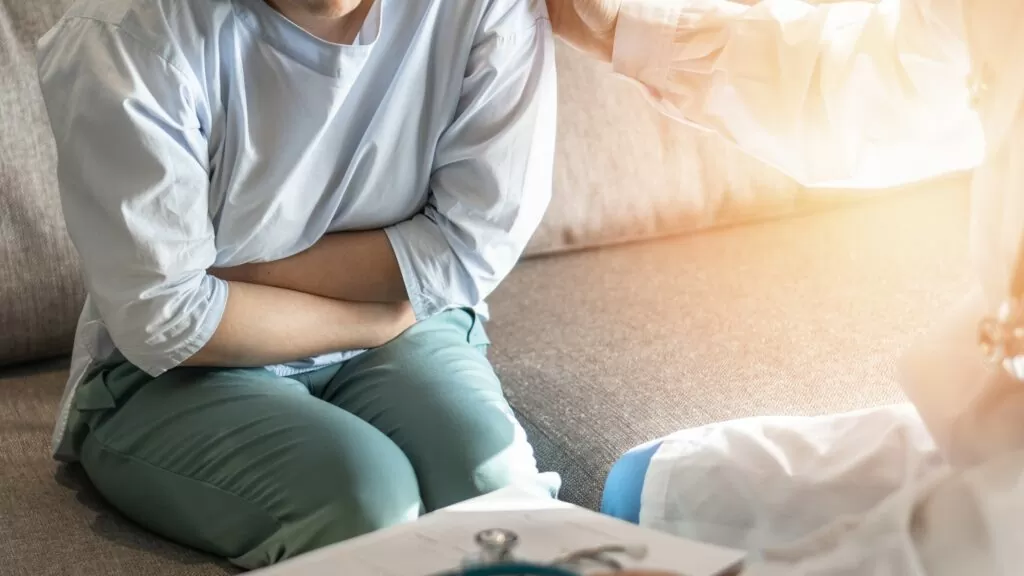
Pelvic pain is not a topic many people are comfortable discussing with just anyone. It’s a very personal kind of problem to have, and it can often cause an individual to feel vast amounts of discomfort, confusion and worry as they try to figure out the source of their problem and what can be done to remedy it. Thankfully, PT is here to bring you relief.
At North Austin PT, our pelvic floor specialists know how to pinpoint and target the cause for pelvic pain, as well as teach you how to manage your symptoms on your own.
Schedule an appointment with us today if you’re experiencing pelvic pain and discomfort, and rest assured that you’ll be in good hands.
Commonly experienced symptoms of pelvic pain
Pelvic pain does not discriminate, in fact, it can affect men and women alike for various reasons. Although pelvic pain affects all genders, the symptoms may vary from person to person, and may show up in different situations.
Pelvic pain symptoms in women:
- Pain with intercourse
- Difficulty urinating, frequent urination
- Constipation
- Pain during ovulation
- Pain when sitting down or standing up for long periods of time
- Lower back pain
- Infertility
- Rectal bleeding during menstruation
Pelvic pain symptoms in men
Men experiencing pelvic pain may notice these symptoms, according to Mayo Clinic:
- Discomfort, pressure or pain in lower abdomen or groin
- Itching or burning around genitals, buttocks or inner thighs
- Pain or discomfort in the penis and testicles
- Painful urination or ejaculation
Luckily, no one has to deal with these problems on their own. If you’re experiencing any of these symptoms, a pelvic floor physical therapist can diagnose pelvic pain conditions and help you regain normal function in your pelvic region.
Conditions resulting in pelvic pain
There are many causes for pelvic pain in men and women, but the good news is that physical therapy at North Austin PT can help provide pain management and relief for these kinds of conditions.
For male patients, the conditions that may lie beneath their symptoms could be any of the following:
- Post-prostatectomy pain: Many men deal with urinary incontinence after a prostatectomy. There are several different types of prostatectomies, and you may be experiencing a complication from yours if you’ve had one.
- Prostatitis: Prostatitis can be caused by a bacterial infection that can be cured through antibiotics, but when it becomes a chronic problem, therapy may be necessary. This condition results in inflammation and swelling, and occurs in the prostate gland.
- Pudendal Neuralgia: The pudendal nerve travels through your pelvic floor muscles. If those muscles are too tight, this nerve can become irritated. If this nerve is compressed for too long, you may begin experiencing pain.
In female patients, common conditions resulting in pelvic pain are:
- Dyspareunia: Many women deal with recurring sharp, intense pain in the genital area or within the pelvis during sexual intercourse. Pain typically occurs before, during, or after sexual intercourse.
- Post-natal recovery: The body goes through massive changes during pregnancy, and some of these changes can result in pelvic pain, urinary incontinence, weak pelvic floor muscles, etc.
- Endometriosis. Endometriosis is a condition many women suffer from without even knowing it. This condition can affect the bones, muscles, ligaments, and nerves in the pelvic region and cause excess scar tissue. Pelvic floor rehabilitation can help reduce the pain and bloating that you may be experiencing with endometriosis, in addition to strengthening the pelvic floor muscles.
If you’ve already been diagnosed with any of these conditions, pelvic floor therapy is almost a given.
Pelvic floor therapy can help you enjoy life again
A common treatment for women and men experiencing pelvic pain is known as pelvic floor rehabilitation.
When muscles in the pelvic area become tight or weak, your daily life can be greatly affected, as this region helps in supporting the core of your body and is an integral part of everyday movement. For example, tight or weak pelvic floor muscles could lead to pain with intercourse or urinary incontinence. Pelvic floor rehabilitation at North Austin PT works on strengthening the muscles, tendons, and ligaments of the pelvic floor.
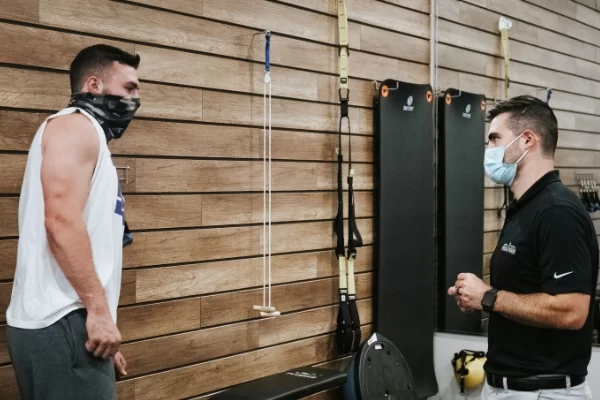
A pelvic floor specialist can observe how you walk, balance, squat, bend over, and breathe. This helps them to pinpoint any mobility deficits, muscle imbalances, or postural dysfunction.
From there, they will use several different treatment methods to provide relief for you, including biofeedback, target stretches, and breathing exercises to help you relax your pelvic floor muscles. A North Austin Physical Therapist will teach you proper exercises and techniques that will improve your pain and your coordination as well. The goal is to strengthen or relax your muscles in your pelvic floor, as well as improve bowel, bladder, and sexual functions.
Contact North Austin PT Today For Relief
While it is true that many of these symptoms can cause a person to feel very vulnerable and embarrassed, it is important to be honest about how you’re feeling to your doctor so they can accurately diagnose and treat you. The therapists at our clinic hold themselves to the highest standards when it comes to your care and levels of comfort.
You don’t have to let pelvic pain control your life. Schedule an appointment with us today and get your pelvic pain problems squared away once and for all.
Sources:
Pelvic pain in adult males – Mayo Clinichttps://www.mayoclinic.org › itt-20009075
Tags: physical therapy, pelvic pain, physical therapist, health and wellness, pain relief, Natural treatment